
Which Tao Te Ching translation should you read first?
If you want the Tao Te Ching to read, Ursula K. Le Guin’s version is the most alive in English. If you want the Tao Te Ching to study, James Legge’s 1891 translation is free, complete and close to the Chinese. The difference between those two goals is the whole decision, and most guides never mention it.
Why do Tao Te Ching translations differ so violently?
Because there is very little text and a great deal of ambiguity. The Tao Te Ching is roughly 5,000 characters of classical Chinese, a language with no tenses, no plurals, and frequently no stated subject. Lines that a translator must render as a full English sentence often exist in the original as three or four characters that could support several readings.
The book has been translated into English more than two hundred times. That number is not a sign of confusion. It is a sign that the text genuinely underdetermines its own meaning, and every translator has to decide.
The main versions compared
| Version | Year | From the Chinese? | Cost | Best for |
|---|---|---|---|---|
| James Legge | 1891 | Yes, scholarly | Free, public domain | Study, quoting, and reading at no cost |
| D. C. Lau | 1963 | Yes | Paid | A careful, readable middle path |
| Gia-Fu Feng and Jane English | 1972 | Yes | Paid | Readers who want the photography and the space around the text |
| Stephen Mitchell | 1988 | No. An English rendition | Paid | Readers who want a poem, knowing it is one step removed |
| Addiss and Lombardo | 1993 | Yes, very spare | Paid | Readers who want the compression of the original |
| Ursula K. Le Guin | 1997 | No. A rendition, and she says so | Paid | Reading for pleasure. The best English on this list. |
Are Mitchell and Le Guin really not translations?
Correct, and neither of them hid it. Stephen Mitchell and Ursula K. Le Guin both worked from existing English translations and scholarly commentary rather than from classical Chinese, which neither read. Le Guin was explicit about this in her own introduction and called her book a rendition.
This is not a scandal and it does not make either book bad. Le Guin’s is, by a distance, the most beautiful Tao Te Ching in English, and a beautiful version you finish is worth more than a literal one you abandon.
It does change what you can do with them. If you are going to argue about what a passage means, or quote it as evidence of what the text says, you want something worked from the Chinese. If you are going to read it in the evening and let it land, that constraint does not apply to you at all.
Chapter 1 in five versions
PLACEHOLDER. This section is not finished. It needs the opening of chapter 1 in each version, with the copyrighted ones quoted briefly and attributed. Left empty rather than filled from memory, because putting words next to a translator’s name that they did not write is the one mistake this site cannot make. Delete this paragraph once the real text is in.
Which should you actually buy?
- Reading it for the first time, for yourself. Le Guin. It is the one people finish.
- Spending nothing. Legge, free and complete on Project Gutenberg.
- Studying it, or quoting it. Lau or Addiss and Lombardo, with Legge open alongside.
- Buying one book only, and you want both qualities. Lau. It is the least compromised compromise.
The three worth acting on, with what each one is for:
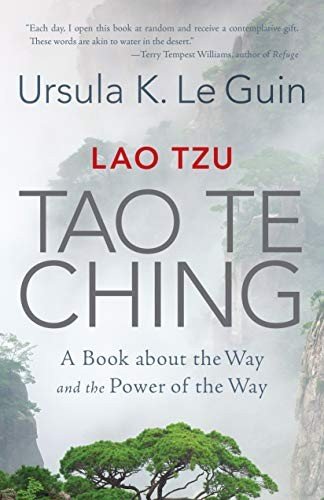
Tao Te Ching
Translated by Ursula K. Le Guin
A rendition, not a translation, and she says so in the book. It is also the one people actually finish, which is the only quality that matters on a first read.
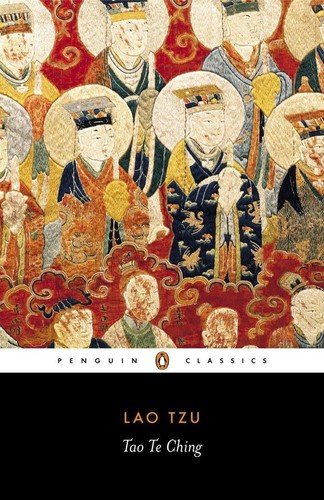
Tao Te Ching
Translated by D. C. Lau
The least compromised compromise. Careful enough to quote, readable enough to get through. If you are buying one book and want both qualities, this is it.
The Tao Teh King
Translated by James Legge, 1891
Complete, public domain and free. Scholarly rather than beautiful, and the version quoted throughout this site for exactly that reason: you can go and check it.
The part nobody warns you about
You have picked one. Here is what happens next, and it happens to almost everybody: you will not finish it.
That sounds like an insult and it is not. The Tao Te Ching is eighty-one chapters, most of them shorter than this paragraph, and it looks like an afternoon’s work. So people read nine or ten in one sitting, agree with all of them, feel slightly wiser, and put the book down. Three weeks later they could not tell you what chapter 9 said. Not because it was difficult. Because eighty-one small pieces of advice arriving at once cancel each other out, and nothing pulls you to the next page the way a story does.
The text seems to know this about itself. It repeats, circles back, and says the same thing six different ways across the book, which is a strange design for something read once and shelved, and an obvious one for something returned to.
Whichever translation you just chose, read it in small pieces over a long time. A chapter a day gets you through it in under three months. If you would rather have that already built, with the passage, a short reading and one thing to try, that is the book below. It is not another translation and it is not competing with the ones above: it is what you do with one after you have bought it.
Ours
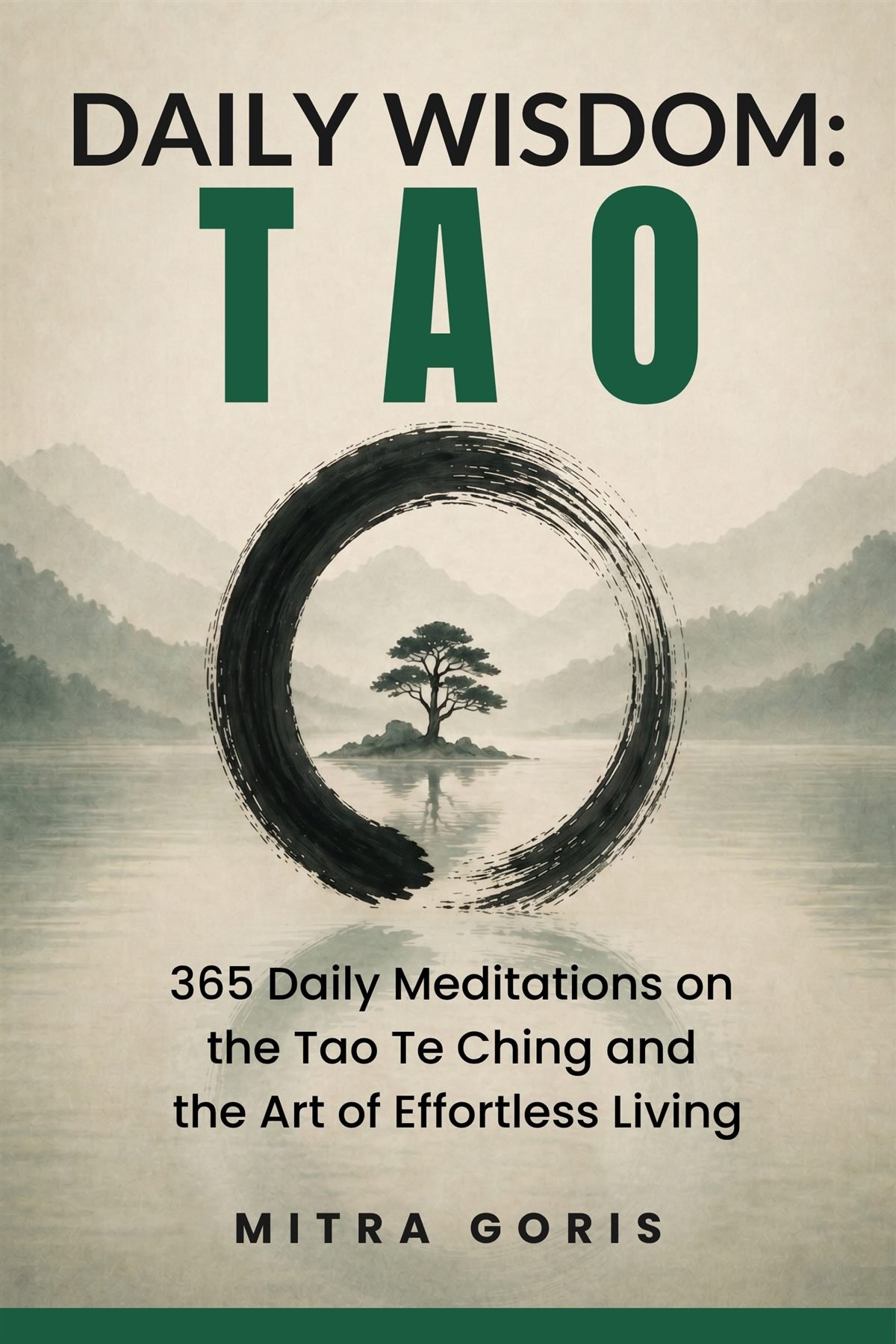
Daily Wisdom: Tao
Translated by Legge, with a reading for every day
Three hundred and sixty-five days built on the Legge translation above: the passage, The Way, The Practice and a Daily Intention. Five minutes, one page.
Where can you read the Tao Te Ching free?
Legge’s 1891 translation is complete and free on Project Gutenberg.
It is also the version used in Daily Wisdom: Tao and in the chapter-by-chapter commentary here, and it is worth being straight about why: not because it is the most beautiful, which it is not, but because it can be quoted in full and pointed at. A book that quotes a translation the reader cannot go and read is a closed loop. If you want the prettier English alongside it, buy Le Guin and read the two together, which is a genuinely good way to meet this text.
If you would rather work through it slowly, there is a plan for reading one chapter a day.